
Filling Indonesia’s Micronutrient Gap: The Potential of Fortified Rice in the Social Protection System
- 31/05/2024
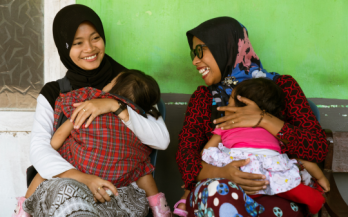
Micronutrient malnutrition remains a significant challenge in Indonesia, particularly among impoverished populations who struggle to afford and access nutrient-rich foods. Iron deficiency anemia is especially concerning, affecting 48.9% of pregnant women and 38.5% of children across the country. To address these gaps, the Ministry of Health, in collaboration with the Global Alliance for Improved Nutrition (GAIN), conducted a comprehensive Micronutrient Gap Assessment (MGA). This assessment aimed to evaluate micronutrient intake levels among Indonesians and identify the potential benefits of rice fortification in meeting recommended dietary requirements.
Coordinating National And Sub-National Action For Food Systems Transformation
- 22/04/2024
As countries develop their National Pathways for food systems transformation, one emerging need is to ensure policies land at different levels. A truly effective ‘national’ policy must span all sub-national areas.
Unlocking the Power of Fish: A Tasty Solution to Combat Malnutrition
Nutrients found in fish are very important for human diets. Unfortunately, there is too much waste loss from fish production.
The Economic Times Asian Business Leaders Conclave
Online webinar, Bangladesh
GAIN's Executive Director, Lawrence Haddad will feature in a panel discussion: "In Conversation: Averting a Hunger Catastrophe: Ensuring Food & Nutrition Security by 2030" with Simon George, President of Cargill South Asia and Session Chair: Basanta Kumar Kar, former Country Director of GAIN Bangladesh and fondly known as the Nutrition Man of India
Improving children's diets in Indonesia - The BADUTA project
- 16/09/2022
In 2013 Indonesia’s Ministry of Health requested that GAIN support the district governments of Malang and Sidoarjo in East Java Province to reduce stunting by improving maternal and infant nutrition.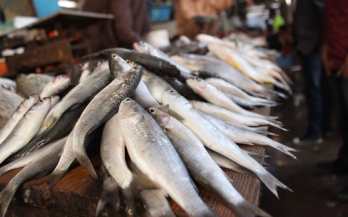
Reducing post capture fish losses in Indonesia - I-Plan
- 12/09/2022
In 2018 GAIN began work in collaboration with the District Fisheries Offices of Indonesia’s Ministry of Maritime Affairs (MMAF) to develop the Indonesia Postharvest Loss Alliance for Nutrition (I-PLAN). I-PLAN aimed to improve the domestic supply of fish by reducing post-harvest losses.
Adjustments to Indonesia's "Healthier choice logo" food labelling scheme could promote healthier choices
- 08/06/2022
Adolescents in Indonesia face multiple nutritional challenges, including undernutrition and anaemia, as well as a growing prevalence of overweight and obesity. To promote understanding of the Healthier Choice Logo among adolescents as well as to learn more about adolescent food choices, GAIN supported a programme called Pelajar Peduli Gizi (Students for Nutrition).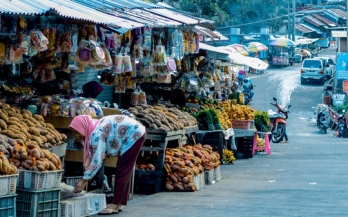
3 Strategies to Revive Local Foods
Improving the production and consumption of local food will support the Government of Indonesia’s plan for transforming its food system to a more sustainable one.
Impact of COVID-19 on Food Systems: A Situation Report
- 06/06/2021
The COVID-19 pandemic is a multiplier of vulnerability, compounding threats to food security and nutrition (FSN) while exposing weaknesses in food systems. In response, the Global Alliance for Improved Nutrition (GAIN) developed the Keeping Food Markets Working (KFMW) programme to provide targeted support to help sustain core food systems.